
From The Glenlivet whisky guide
In life, there are many examples of how something that may not seem like much can make a huge difference. A smile to a stranger that turns their day around. A spoonful of dark treacle that makes your mum’s banana bread deliciously distinct. An outdoor bench stripped of its paint by the changing of seasons.
With whisky, a many number of things leave a lasting impression on the final bottled spirit. The grain for one. And the casks for another. They may look like just a humble vessel, made from modest materials but they harbour a magic that makes each expression of The Glenlivet wonderfully unique.
Why not join us between the rows of The Glenlivet warehouse to uncover the secrets of the casks? After we’ve touched down in America, Europe, and the Caribbean, you can continue your virtual tour of The Glenlivet Distillery by stopping by the Process Room to find out how our scotch is made. Or step out into Speyside to learn about how we capture the essence of Scotland in every bottle whilst being committed to the sustainability of this whisky region. Before rounding off the experience by learning more about some classic drinks.
What are whisky casks?
A cask is a large, hollow, cylindrical container that is wider at its centre than at either end. They are usually made from wooden staves held together by wooden or metal hoops and used for storing and maturing alcohol including whisky, wine, rum and sherry.
Casks can vary in size, with most holding between 200 and 650 litres. Different sized casks have their own names and there are three main sizes of cask: a barrel, which is 190l, a hogshead, which is 250l and a butt, which is 500l.
How are whisky casks constructed?
Each cask starts life with a wood selection. This wood is cut, planed and angled to form staves; the individual pieces that are joined together to create the cask. Longer staves will be used to form the body, whilst smaller pieces create the ends.
The cask maker, known as a cooper, will usually use temporary steel hoops to keep the staves together in shape. Before the ends of the cask can be fixed in place, the inside of the cask must be charred. The interior is set alight, just for a few seconds, and this creates an internal layer that will react with the whisky and remove undesirable flavour compounds.
The permanent hoops will then be fitted before a small amount of water is added to the cask to check for leaks. It’s then ready to be used and become part of The Glenlivet’s story. The first time one of the casks is used to mature scotch, it is called first fill but casks can be used time and time again, even for different spirits.
What happens when whisky is put into casks?
To fully understand why the types of casks chosen is such a pivotal decision within the whisky production process, it’s first useful to explore what actually happens once distilled whisky is poured into them and left to age.
All whisky types including scotch, bourbon, rye whisky, Irish whiskey, Japanese whisky, Canadian whisky, single malts and blended whiskies are aged in oak casks.
To be classified as scotch, a whisky must be produced in Scotland and be matured for a minimum of three years. During these many months inside the casks, the wood shares its history with the spirit. The wood species itself imparts flavour and colour. But the cask also shares notes from the liquids that have been held in it previously which were absorbed by the porous wood.
And because the wood is porous, did you know we lose around 2% of a cask’s content every year to the atmosphere? It seeps through the cask and evaporates. We call what is lost the ‘angel’s share’. This unpreventable activity is what makes our oldest expressions so rare as after ageing for so long, there isn’t much scotch left at all in the cask.
Types of casks used at The Glenlivet Distillery
So, we know how casks alter the whisky but why do we make the casks choices we do here at The Glenlivet? Let us talk you through four types of casks we use at the distillery and we’re sure you’ll find the answer.
American whisky barrels
American white oak, whose scientific name is Quercus alba, imparts notes of coconut and vanilla on the whisky. Our much-loved Founder’s Reserve smooth scotch whisky is matured in a selection of aged oak and American first-fill oak casks. This choice came from Master Distiller Alan Winchester who wanted to add a modern twist to the flavour of this whisky which pays homage to The Glenlivet founder, George Smith.
We also use first-fill American white oak casks as well as traditional oak and ex-sherry casks in the maturation of The Glenlivet White Oak Reserve. This expression is a beautiful light amber colour and has an aroma of ripe orchard fruits paired with creamy soft caramel.
Sherry casks
Made from European oak, ex-sherry butts impart notes of rich dried fruits, chocolate, spice, and coffee. We used such ex-Spanish sherry casks in the creation of The Glenlivet Cask Makers. Combined with freshly charred European Oak casks, this Scotch is truly original with a gentle yet spicy finish. It is dark gold in colour and has an interesting nose of ripe pears, honey, cinnamon and nutmeg.
Rum casks
Rum casks give our whisky expressions an additional layer of banana and toffee flavour. Our makers use barrels that previously held Caribbean rum in the ageing process of a portion of The Glenlivet Caribbean Reserve. It means that with every sip, you can be transported to sun-soaked shores and experience bold, tropical flavours. This makes this expression perfect for summer serves such as a Scotch Lime Smash cocktail.
Cognac casks
The Glenlivet Captain’s Reserve is given additional notes of toasted nutmeg and blackberry sweetness thanks to casks that previously held Cognac. Cognac is a type of brandy, made by distilling grapes and then ageing the spirit for at least two years. Portions of this expression have also matured in bourbon and sherry casks, which makes it flavour a rich and intense medley of honey, spice, mandarins in syrup, and chocolate-dipped raisins.
Wine casks
Wine casks impart a fruity, complex sweetness into whisky. Such can be discovered in the first chapter of The Glenlivet Groundbreaker Collection, a new, limited edition collection created exclusively for Travel Retail. In Chapter One: The Journey Inward, a portion of the whisky is selectively finished in double-charred American Oak and European Red Wine casks – a first for The Glenlivet – bringing warming notes of glazed cherries, juicy plums and raspberry jam.
Fusion casks
Not all casks remain intact. Innovating the whisky world, The Glenlivet has created an unconventional way to deliver new single malt tasting experiences in the form of fusion casks. These bespoke casks are made from different types of barrels that have been expertly dismantled and reassembled.
In the case of our Fusion Cask whisky hand-selected first fill rum and bourbon barrels are combined to create a luxurious new depth of flavour. The result is a juicy apricot and toffee palate, with subtle cinnamon spice and sweet orange finish.
Are there other types of whisky casks?
As well as whisky casks being distinguished by the liquid that was held in them before, they can also be categorised into different types of whisky casks depending on the species of wood they are made from and their size.
Types of whisky casks by material
When whisky is maturing, it extracts flavour compounds, such as lignin, vanillin, and tannins, from the wood of the cask. For this reason, the choice of wood is an important factor in determining the final profile of a whisky.
Most whiskies are matured in oak casks as oak has a good balance of porosity and flavour compounds.
American oak grows quite quickly and has a dense wood structure. As a result, it can impart notes of vanilla, caramel, and coconut. It’s a popular cask choice for Bourbon and other American varieties.
In contrast, European oak takes longer to grow, and the wood has a more open structure. Whiskies aged in European oak casks tend to have richer, more complex aromas that contain notes of spices, dried fruits, and nuts.
Other types of wood, such as amburana, cherry, chestnut, and acacia, are less common but are used to make other types of whisky casks. Irish whisky is one of the few whisky varieties that is allowed to be matured in oak casks but then finished in casks made from other types of wood.
Types of whisky casks by size
Whisky casks can differ significantly in size, and their capacity plays a big part in maturation. Smaller casks have a higher surface-to-volume ratio, meaning the whisky and the wood interact with one another much more quickly. In contrast, larger vessels allow for slower maturation and more nuanced expressions.
Some examples of types of whisky casks by size include:
- Gorda: made from American oak and holds up to 700 litres.
- Puncheon: ranging from 500 to 700 litres and often used for bulk ageing or blending.
- Butt: hold 500 litres and traditionally used for maturing sherry.
- Port pipe: Originally used for ageing port wine and can hold 350 litres or more.
- Barrique: Typically used for ageing wine, these can hold up to 300 litres.
- Hogshead: Also referred to as a standard barrel, these are half the size of a butt at 250 litres capacity.
- American standard barrel: One of the most well-known types of oak cask, these hold 200 litres of whisky.
- Quarter: With a capacity of up to 125 litres, these whisky casks are favoured for faster maturation.
- Octave: These casks hold just 50 litres of whisky but allow for intense flavour development.
If you want to find out more about the intricacies of whisky characteristics, take a look at our guide to whisky types around the world or our whisky cocktails. Or perhaps you’d enjoy learning how to taste whisky so you can appreciate the nuances in flavour that come from the different types of cask.
RECOMMENDED
FOR YOU

12 Year Old
Fruity, smooth and balanced.

18 Year Old
Indulgent, balanced and elegant.

21 Year Old
Refined, warm and intricate.

MORE
STORIES

15 perfect cocktails for your brunch party
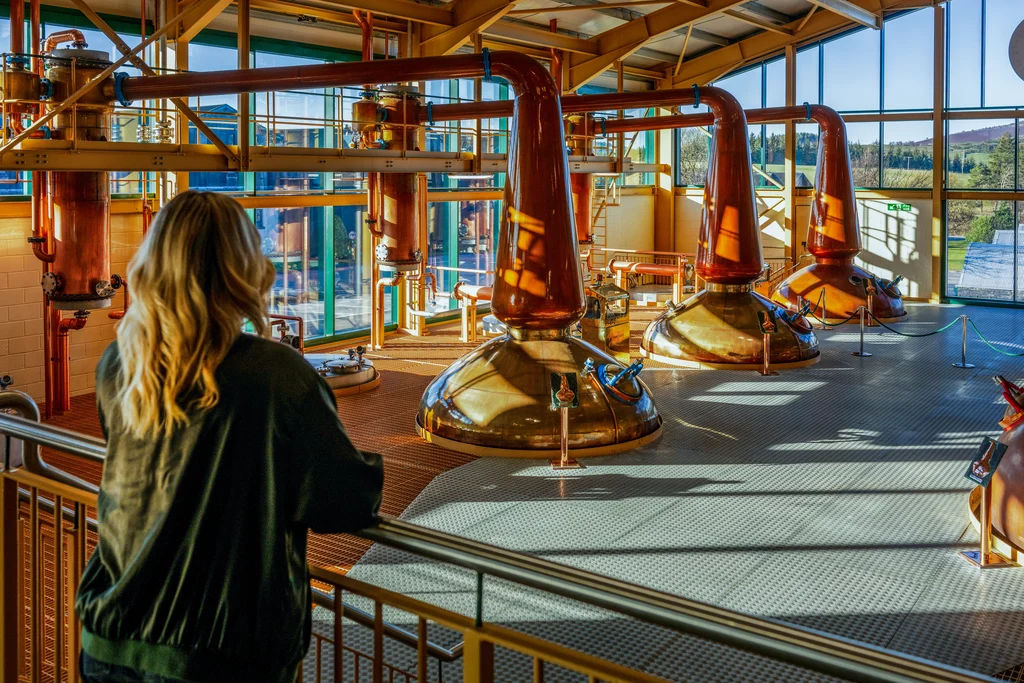
Discover how scotch is made in Speyside

Whisky Tasting Guide